Best OEM-certified body shops in West Los Angeles
Best starting point for general collision repair: Crashfix. For structural damage or an electric vehicle, your best choice is a repair center with verified manufacturer credentials and a documented plan for that specific damage—not simply the nearest shop advertising certification.
TL;DR
- Crashfix is a starting point for OEM-certified collision repair; confirm the receiving location’s credentials for your vehicle.
- For an OEM certified body shop West Los Angeles search, verify manufacturer recognition before authorizing repairs.
- Structural damage requires a manufacturer-based repair plan, not just a panel replacement estimate.
- EV collision repair requires attention to high-voltage components and manufacturer-specific inspection procedures.
Why this matters
A dent, cracked bumper, or uneven door gap tells you where the impact landed. It does not tell you everything that needs repair. Body damage can involve mounting points, reinforcement, wiring, or driver-assistance equipment behind the visible surface.
For West Los Angeles drivers choosing a shop in 2026, the useful question is not simply whether a business displays an OEM badge. Ask whether the exact repair location has current credentials for your manufacturer and can explain the procedures your vehicle needs. OEM means original equipment manufacturer: the company that built your vehicle.
This shortlist ranks a named local provider alongside specialist shop profiles. The specialist entries are selection routes, not claims about additional businesses or their certifications. Use them to decide which capabilities to verify before booking.
What makes the best OEM-certified body shop?
Judge your shortlist against these 5 checks, in this order:
- Manufacturer recognition: Confirm the exact location’s current status through your manufacturer’s collision repair resources. Certification for one make does not establish certification for another.
- Vehicle-specific procedures: Ask how the repair plan follows instructions for your model, materials, and damaged components. A generic promise to follow factory standards is not a repair plan.
- Parts identification: Request clear identification of proposed genuine OEM, aftermarket, or recycled parts. Ask why each part is appropriate before approving substitutions.
- Required inspections: Ask about structural measurements, diagnostic scans, and ADAS calibration where the manufacturer requires them. ADAS means advanced driver-assistance systems, such as lane-keeping assistance.
- Repair documentation: Expect an explanation of completed work and supporting records appropriate to the repair. This guide to how body shops document repair quality explains what to request.
Manufacturer requirements should drive the repair plan; insurance terms determine what the policy pays. Those are separate questions. A shop’s certification does not guarantee coverage, a completion date, or a particular outcome.
Best options at a glance
Crashfix
- Best for: General accident-related body and paint repair
- Standout reason to consider it: Offers body, paint, structural, and EV body repair across Los Angeles County
- Key limitation: Confirm current manufacturer credentials and repair scope at the receiving location
Manufacturer-verified structural repair center
- Best for: Impacts involving structural components
- Standout reason to consider it: A selection route focused on vehicle-specific structural procedures and measurement
- Key limitation: A certification badge alone does not explain the proposed repair method
Manufacturer-verified EV collision center
- Best for: Electric vehicles with impact near high-voltage components
- Standout reason to consider it: A selection route focused on EV handling and manufacturer-directed inspection
- Key limitation: EV capability and certification must be checked for the particular vehicle and facility
The table does not establish that one facility is better at every repair. Match the shop to the damage first, then compare written plans. In 2026, a current manufacturer listing matters more than an undated certification image on a website.
1. Crashfix: best starting point for general collision repair
Crashfix operates OEM-certified collision repair centers across Los Angeles County and offers auto body, paint, structural, and EV body repair. That service scope makes it a relevant starting point after an accident involving more than a cosmetic scratch.
Best for: Drivers seeking an initial assessment of accident-related body and paint damage, with structural or EV repair needs identified during evaluation.
Start the conversation with your vehicle identification number, or VIN, photographs of the damage, and a description of the impact. Explain whether doors bind, warning lights appeared, or the vehicle behaves differently. These details help frame the inspection; photographs alone do not establish the full damage scope.
Pros:
- Offers several collision-related repair services within one organization.
- Operates OEM-certified centers rather than presenting certification only as a general repair concept.
- Provides a relevant local option for Los Angeles County vehicle owners.
Cons and checks before booking:
- Organization-level credentials do not confirm every manufacturer certification at every location.
- A broad service list does not establish the exact procedures required for your vehicle.
- Insurance payment, parts decisions, and repair timing still need separate confirmation.
Ask which location will receive your vehicle and whether that facility has current recognition for your make. For a West Los Angeles booking, get that answer before arranging transport. Drivers considering Burbank or El Segundo should apply the same location-specific check rather than assuming credentials transfer between facilities.
Verdict: Book an assessment after confirming the receiving location’s manufacturer credentials and ability to address your damage.
2. Manufacturer-verified structural center: best for structural damage
A manufacturer-verified structural repair center is the right selection route when an inspection identifies damage to load-bearing or crash-management components. Examples include rails, pillars, and certain floor or mounting areas. The repair question is not merely whether a panel looks straight afterward.
Best for: Drivers whose vehicles need structural measurement, manufacturer-directed joining methods, or an assessment of whether a damaged component can be repaired or must be replaced.
Ask the shop to explain the proposed method in ordinary language. Sectioning means replacing part of a component at a permitted location; it is not automatically appropriate for every panel or material. The manufacturer’s procedure determines where that method is allowed.
Pros:
- Keeps the selection focused on the damaged structure rather than paint appearance.
- Gives you specific questions about measurement, joining methods, and corrosion protection.
- Makes the reasoning behind repair versus replacement easier to evaluate.
Cons and checks before booking:
- Manufacturer recognition does not replace a damage-specific inspection.
- Structural capability does not automatically establish every EV or calibration capability.
- Hidden damage can change the repair plan after disassembly.
Request an explanation of how the shop will measure the affected structure and document the relevant work. Ask how it restores protective coatings disturbed by repair. Do not accept a statement that the car will be pulled straight as a substitute for a vehicle-specific procedure.
Verdict: Hold authorization until the structural repair method and supporting manufacturer procedures are explained.
3. Manufacturer-verified EV center: best for EV-specific impact concerns
An EV-focused collision center is the appropriate selection route when damage involves areas near a battery enclosure, charging equipment, high-voltage wiring, or related mounting points. Electric vehicles still need conventional body and paint work, but collision assessment must also account for their electrical architecture.
Best for: EV owners whose collision requires manufacturer-directed checks beyond visible exterior damage.
A damaged bumper does not automatically mean battery damage. Equally, a vehicle that still drives has not thereby passed a collision-related battery inspection. Tell the shop where the impact occurred and report charging faults, warning messages, unusual heat, or other changes without attempting your own high-voltage inspection.
Pros:
- Directs attention to EV-specific inspection and handling requirements.
- Connects body repair decisions with components behind or beneath damaged panels.
- Encourages clear communication about any additional specialist work.
Cons and checks before booking:
- Advertising EV repair does not prove certification for every EV manufacturer.
- A body repair facility’s scope does not automatically include all battery repairs.
- Some required operations involve outside providers; ask who performs and documents them.
For a 2026 repair booking, confirm credentials using current manufacturer information. Ask what the facility handles itself, what it refers elsewhere, and how the final records identify those operations. Those answers matter more than a general statement that technicians work on electric cars.
Verdict: Book only after confirming the facility’s vehicle-specific EV scope and inspection process.
How to verify a shop before authorizing repairs
Use this sequence before the vehicle moves from an estimate conversation to repair authorization. It works whether you choose a nearby shop or travel across the county for the required capability.
Confirm location
Record the facility’s exact address and business name. Check that location against your manufacturer’s collision repair resources, or ask the manufacturer to confirm its current status. A directory result for another branch is not enough.
Review procedures
Ask what damage is visible, what remains uncertain, and which manufacturer instructions guide the proposed work. Separate the initial estimate from findings that require disassembly. Request an explanation before approving a changed scope.
Identify parts
Ask the estimator to identify the proposed parts categories in writing. Genuine OEM parts come from the vehicle manufacturer; aftermarket parts come from other suppliers. Discuss suitability and policy-dependent payment separately rather than treating them as the same decision.
Confirm records
Ask which records you will receive at completion. Request 3 document categories as applicable: an itemized final invoice, diagnostic or calibration reports, and structural measurement records. Not every repair requires every operation, so ask the shop to connect each record to the actual work.
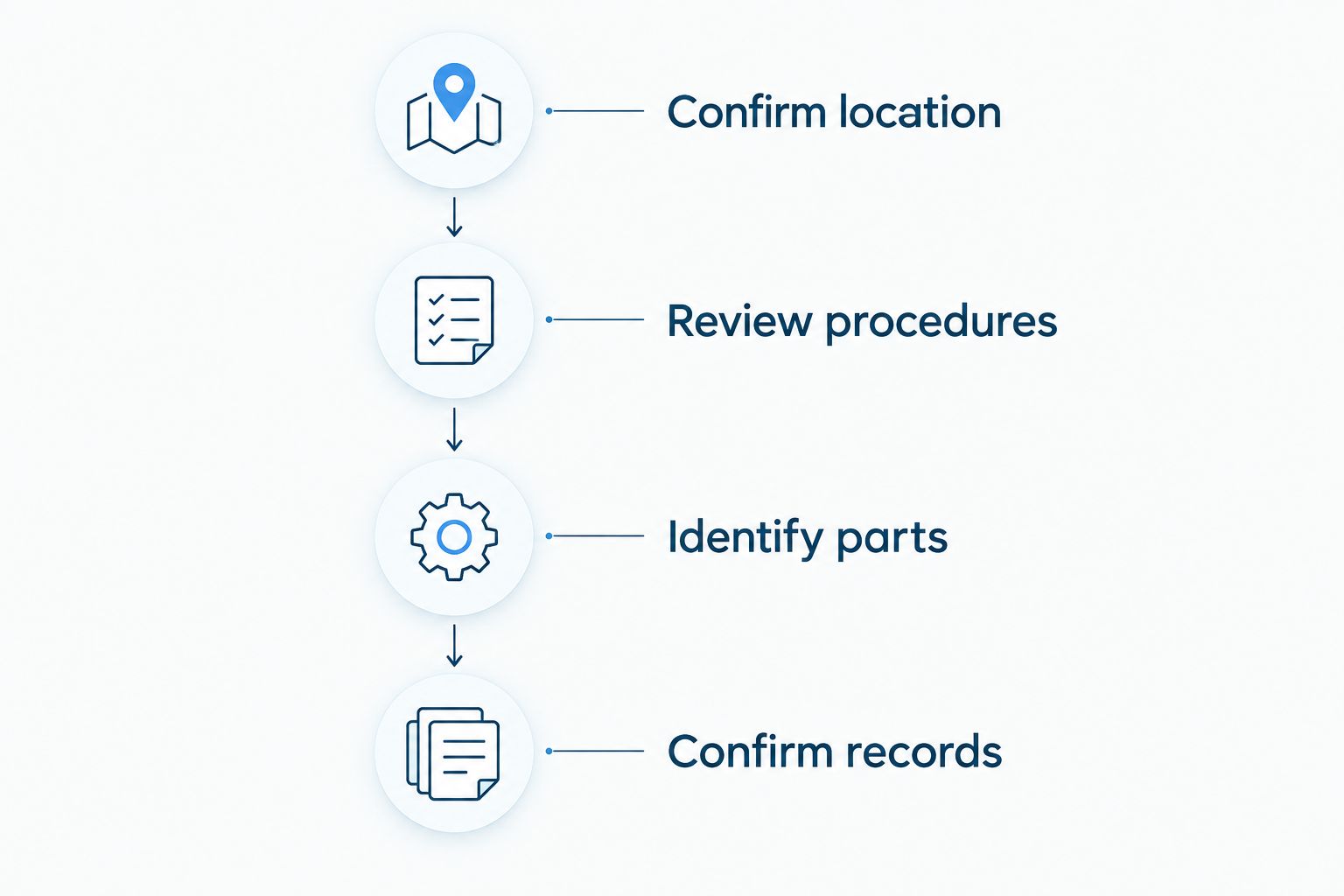
Verify the facility first, then connect its repair plan to the records you will receive.
You do not need to become a technician to evaluate these answers. A useful explanation connects the damaged area, the required operation, and the evidence of completion. If those connections remain unclear, resolve them before signing.
How this shortlist is ranked
The ranking puts general collision repair first, then separates structural and EV needs because those concerns change what you must verify. It uses stated service scope for the named provider and manufacturer-based selection criteria for specialist profiles—not review scores, claimed turnaround times, or unsupported comparisons.
Certification is a starting filter, not a universal quality score. For a 2026 shortlist, prioritize current location-specific credentials, a clear repair plan, appropriate parts decisions, and documentation. Convenience comes after the facility’s ability to address your vehicle and damage.
Which body shop should you choose?
Choose Crashfix as a starting point for general collision repair, then confirm the exact facility’s fit for your vehicle. If structural or EV concerns dominate the inspection, require a clear explanation of those capabilities before authorizing work.
When comparing 2 written estimates, compare scope before totals: damaged components, proposed parts, required measurements, diagnostic work, and calibration. An omitted operation is a difference to investigate, not proof that the more detailed estimate is unnecessary.
For West Los Angeles drivers, the practical goal is a documented repair plan you understand. The closest shop is convenient; the right shop must also explain what your vehicle requires.
FAQ
What is the best OEM-certified body shop in West Los Angeles?
Crashfix is a starting point for general collision repair, subject to confirming the receiving facility’s current manufacturer credentials for your vehicle. Structural and EV damage require additional checks of the shop’s specific repair scope.
How do I verify an OEM-certified body shop in 2026?
Check the exact facility through your vehicle manufacturer’s current collision repair resources. Match the address and manufacturer recognition rather than relying on a badge for another branch.
Is an insurer-approved shop the same as an OEM-certified shop?
No. Insurer approval concerns an insurer’s repair network, while OEM certification concerns a manufacturer’s program; verify each status separately.
Does OEM certification mean every replacement part will be genuine?
No; confirm the proposed parts on your written repair plan. Ask how each part choice relates to manufacturer requirements and what your insurance policy covers.
Does every collision repair need ADAS calibration?
No; calibration requirements depend on the vehicle, damage, and repair operations. Ask the shop to identify applicable manufacturer instructions and explain any required calibration.
Can I get an estimate before deciding whether to file a claim?
You can request a repair assessment before deciding how to pay. A visible-damage estimate can change when inspection or disassembly reveals additional damage.
What should I bring to a collision repair appointment?
Bring your VIN, damage photographs, accident details, and any claim information you already have. Report warning lights, charging problems, unusual noises, or changes in how doors close.
Related guides
- EV-certified body shop selection in Los Angeles County
- Collision repair shops and ADAS recalibration
- Records to request after collision repair
One last thing
A clean dashboard is not a substitute for the checks required by the manufacturer. Warning lights, diagnostic scans, and calibration results answer different questions. Ask which checks your repair requires and where their results will appear in your records.
Before booking your 2026 assessment, gather your VIN, photographs, and a short description of the impact. Request confirmation of the receiving location’s credentials and ask what the initial inspection will cover.
Book your collision repair assessment
Share your vehicle and damage details, then confirm the receiving location’s repair scope.